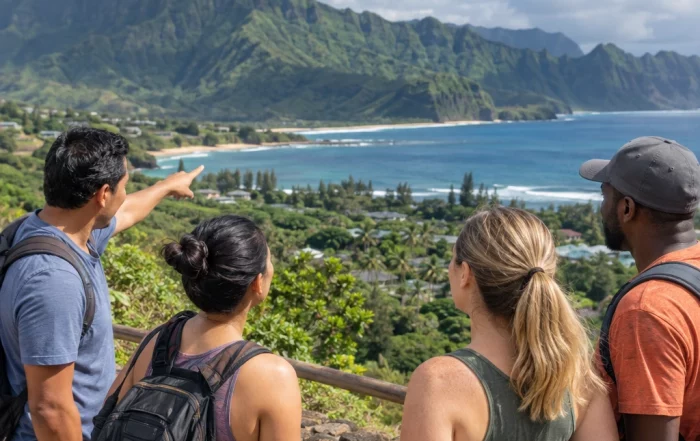
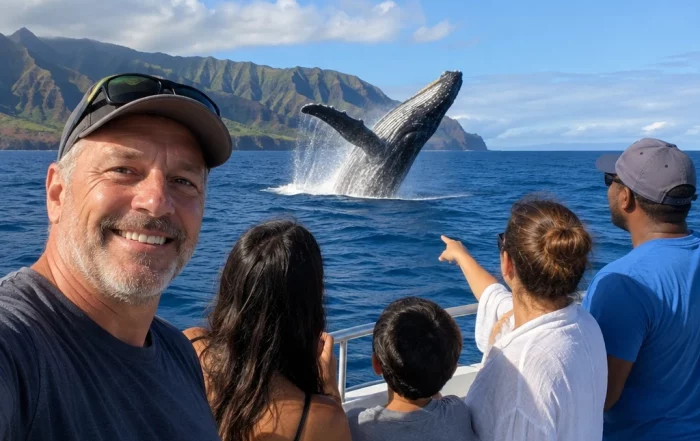
Kauai after Hurricane Lowell is welcoming visitors again, but the island’s recovery is still unfolding. Most accommodations, restaurants, shops, tours, and activities have reopened, while a few roads, parks, trails, and remote areas remain restricted. For travelers, that means a Kauai vacation is possible—but it should be planned with more care than usual.
As of November 4, 2026, the most important question is not simply “Is Kauai open?” It is: Which parts of Kauai are open for my dates, and how can I visit in a way that supports the island’s recovery? This guide covers the latest Kauai travel updates, what’s open on Kauai, which attractions still have limitations, and how Kauai Style can create a seamless, flexible itinerary around current conditions.
Kauai After Hurricane Lowell: What’s Open Right Now?
The short answer is encouraging: much of the visitor experience has returned. In a September 23 update, Go Hawaii reported that most accommodations, restaurants, shops, tours, and activities had reopened. The state’s tourism team also encouraged visitors to confirm reservations directly with providers, follow restrictions, and travel with patience and aloha.
That advice remains useful. Recovery has not progressed at exactly the same speed everywhere, and conditions can vary by neighborhood or property. A resort may be operating normally while a nearby beach access point, hiking trail, or road remains closed. Some businesses may also be open with adjusted hours, limited menus, or temporary service changes.
Utility restoration has advanced significantly. The County of Kauaʻi reported on October 28 that Kauaʻi Island Utility Cooperative had restored power to most of the island, although isolated outages remained, particularly in Kōkeʻe and other areas. The county also continued to maintain a water conservation notice for customers in ʻAnini.
What travelers can generally expect
- Most visitor accommodations are operating, but confirm your specific property before arrival.
- Restaurants, shops, and many tours are open, with possible changes to hours or availability.
- Roads are generally usable, though repair activity, debris removal, and work zones may cause delays.
- Some North Shore and West Side areas have restricted access.
- Outdoor attractions and state parks require especially careful checking before you go.
For the latest official visitor guidance, review the Go Hawaii Kauaʻi recovery update and the County of Kauaʻi’s visitor resources before traveling. Then, confirm each reservation directly with the hotel, guide, restaurant, or outfitter.
What’s Open on Kauai—and What Still Has Restrictions?
Kauai’s natural attractions are a major reason to visit, but they are also where storm damage can create the greatest safety risks. Fallen trees, unstable slopes, washed-out paths, damaged bridges, and changing ocean conditions can make a familiar trail or overlook unsafe even when nearby businesses are open.
State parks and scenic areas
The Hawaiʻi Division of State Parks’ November 2 notice provides a clear picture of the current situation. Hā‘ena State Park reopened on October 15, and the Waimea Canyon Lookout reopened on October 24 for daytime access. However, those openings are partial rather than a complete return to normal.
Kōkeʻe Road remains closed except for access to the Waimea Canyon Lookout. All Kauaʻi camping remains closed, and other state parks continue to have restrictions. The state’s park notice also says that at Wailua River State Park, river and designated landing or trailhead access reopened, but individual kayakers may not access Fern Grotto. Hiking beyond the trailhead and access to Uluwehi Falls, commonly called Secret Falls, remain closed.
Before visiting any park, check the Hawaiʻi State Parks emergency and closure notices. Do not rely on an older blog post, an outdated map, or a social media recommendation posted before the storm.
North Shore access
The North Shore deserves special attention. Earlier recovery updates identified Hā‘ena and Wainiha as areas with limited access, and road repairs continued around Kūhiō Highway and Hanalei Bridge during the initial recovery period. Even where access has improved, visitors should expect possible traffic delays and should avoid entering restricted areas simply to take a photograph.
This is one reason a local itinerary planner is particularly valuable right now. Kauai Style can help you replace a temporarily unavailable hike, beach, or scenic drive with an equally memorable experience—perhaps a private guided outing, a South Shore beach day, a surf lesson, or a boat excursion along the Nā Pali Coast, depending on sea conditions and operator availability.
How to Plan a Kauai Vacation During the Recovery
Planning Kauai after Hurricane Lowell is less about canceling every activity and more about building flexibility into the trip. A thoughtful itinerary should include confirmed reservations, realistic driving times, alternative activities, and room for last-minute changes.
Use a flexible, region-based itinerary
Rather than scheduling long drives across the island every day, group experiences by location. Spend one day exploring the South Shore, another enjoying the East Side, and reserve a separate day for the North Shore if access and conditions allow. This reduces unnecessary driving and makes it easier to adjust if a road, trail, or attraction changes status.
A flexible Kauai itinerary might include:
- Arrival and settling in: Airport pickup, grocery or vacation rental stocking, and a relaxed first evening.
- South Shore exploration: Poʻipū-area beaches, local dining, and a sunset experience, subject to current beach conditions.
- Water adventure: A confirmed boat tour, private charter, or surf lesson with a reputable local operator.
- Scenic inland day: Waimea Canyon Lookout if access remains open, with adequate time and no attempt to continue beyond restricted areas.
- North Shore day: Hā‘ena or Hanalei only after confirming access, parking, reservations, and current road conditions.
Confirm the details that matter
Contact your lodging provider before departure to verify that the property is fully operational, including power, water, pools, restaurants, elevators, and road access. If you have booked a vacation rental, ask whether nearby construction, utility work, or storm repairs could affect your stay.
Do the same for every activity. Ask whether the tour is operating as advertised, where the meeting point is located, and what happens if weather, ocean conditions, or access restrictions require a change. Travel insurance documentation, cancellation policies, and alternate-date policies are also worth reviewing before you leave home.
Finally, build extra time into transportation. Recovery crews, utility workers, and local residents still need access to roads. Drive patiently, obey all barriers and signs, and avoid stopping in work zones or along narrow shoulders.
Why Local Kauai Vacation Planning Matters More Than Ever
In ordinary circumstances, a local planner can save time and uncover better experiences. During recovery, that local knowledge becomes even more valuable. A professional who understands Kauai’s roads, neighborhoods, activity providers, and weather patterns can help you make decisions that online booking platforms cannot.
Kauai Style offers start-to-finish trip planning designed around your priorities. Mike Lyons brings 40 years of luxury hospitality experience on Kauai, along with deep knowledge of the island’s North Shore and the details that make a vacation feel effortless. Instead of handing you a generic list of attractions, Kauai Style can help coordinate the entire experience—from airport transfer and vacation rental stocking to guided hikes, surf lessons, boat tours, dining recommendations, and backup plans.
That high-touch approach is especially helpful when an attraction’s status may change. If a trail is closed, your day does not have to fall apart. If ocean conditions cancel a boat trip, your planner can help identify another meaningful way to experience the island. If you would rather avoid unnecessary driving through active repair areas, your itinerary can be reshaped around accessible beaches, local food, cultural experiences, and open-air activities.
Visiting responsibly also means supporting the businesses and communities working through recovery. Eat at locally owned restaurants, book with established operators, follow posted restrictions, and treat damaged areas with respect. Tourism remains important to Kauai’s small businesses, but visitors should arrive ready to be considerate guests—not spectators at a disaster site.
Kauai Style’s personal service makes that balance easier. You can enjoy a luxurious, beautifully organized vacation while respecting local conditions and leaving room for the island to heal.
Conclusion: Plan Kauai With Flexibility, Local Insight, and Aloha
Kauai after Hurricane Lowell is neither completely closed nor completely back to normal. Most visitor services have reopened, power has been restored across most of the island, and important attractions such as Hā‘ena State Park and the Waimea Canyon Lookout are welcoming guests again. At the same time, Kōkeʻe Road, camping areas, selected trails, and several state parks remain restricted as recovery continues.
The best approach is to verify current conditions, choose reputable local providers, and plan an itinerary with thoughtful alternatives. Kauai Style can handle those details for you, creating a custom trip that feels relaxed, luxurious, and responsive to the island’s latest updates.
Call 808-482-1572 to begin planning, or request a custom proposal through Kauai Style’s trip-planning service. With local expertise and attentive five-star service, your Kauai vacation can support the island’s recovery while giving you the restorative, unforgettable experience you came to find.

Chat with Our Intelligent Kauai Vacation Planner
Ask me anything about planning your perfect island getaway.